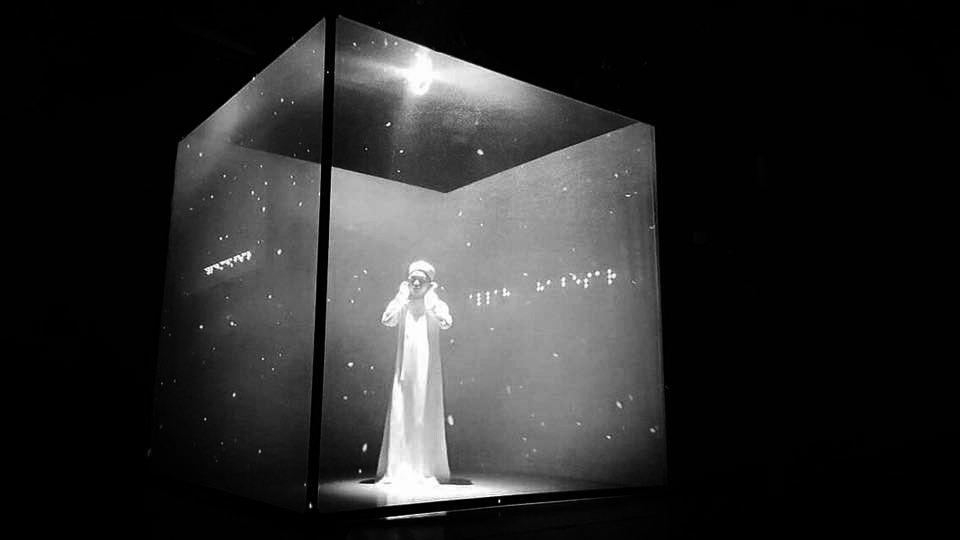
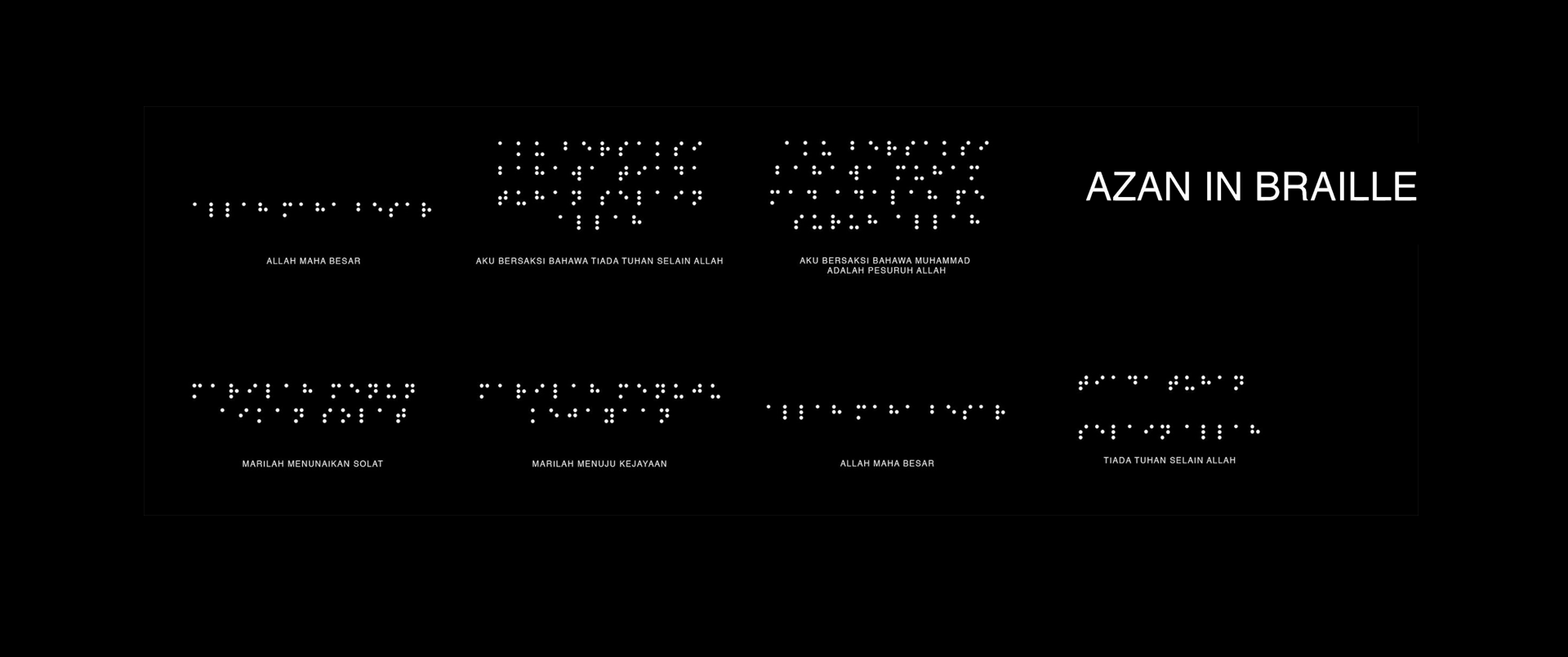
Summary: “Terang Hati” is a conceptualize Azan video which highlights a blind person who reads the Azan through Braille codes. The idea of this project is to empathize the blind person’s visualization when he performs the Azan as a Bilal. Based on the interview, he only ‘see’ the shape of the Braille codes in his mind whenever he recites the Quran. Therefore the visual images of the Braille codes had been visualize as the stars that highlighting the Universe.
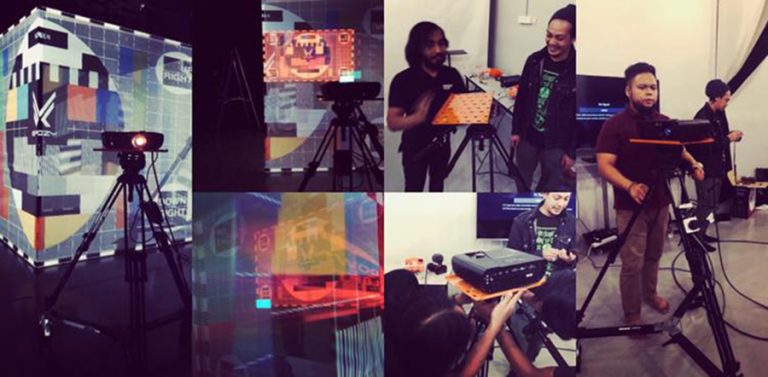
Production: Live Visual Mapping setup
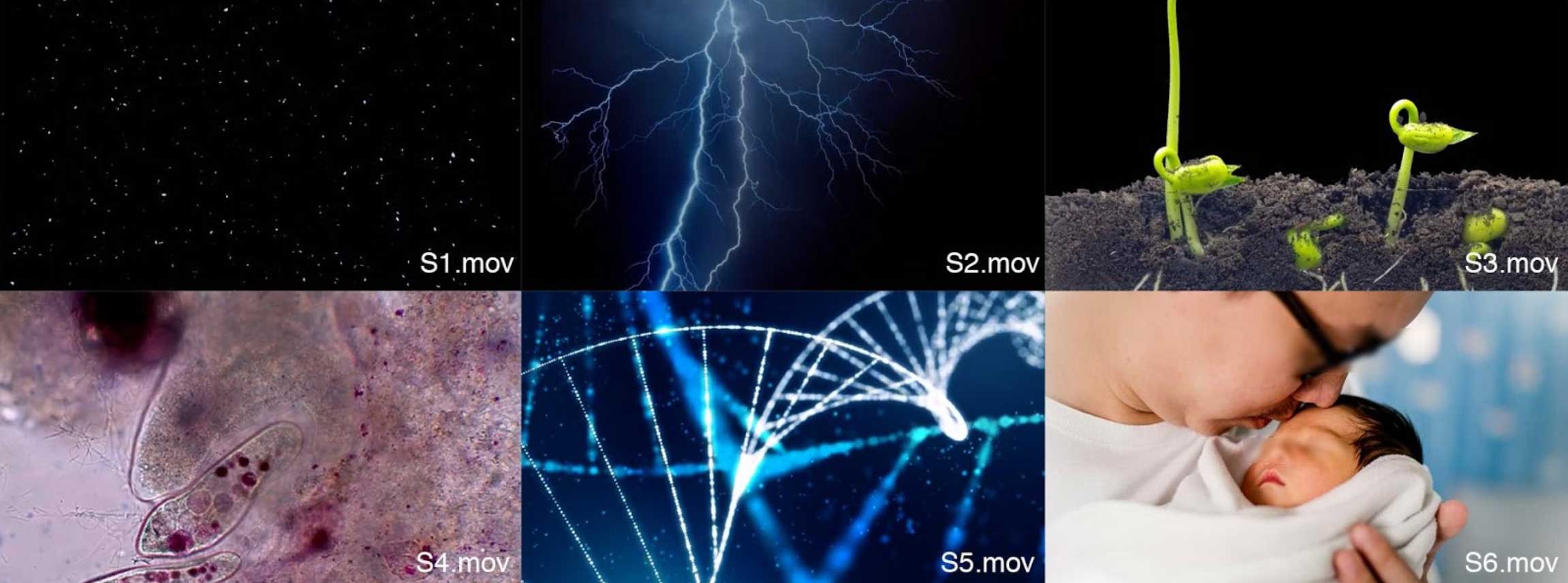
Pre-Production: Content sequence mood-board
The project was built upon a fundamental question:
How do we visualize something that is never seen, but deeply felt and understood internally?
Through interviews and observation, the creative direction explored the unique cognitive process of a blind Bilal who mentally interprets Braille patterns while reciting verses from the Quran. Instead of approaching the work through conventional religious visual symbolism, the concept transformed Braille structures into abstract celestial formations — representing stars, constellations, and the vastness of the universe as an extension of inner visualization.
Project Challenge
Conventional visual storytelling relies heavily on sight-based interpretation. The challenge was to develop a communication framework capable of translating spiritual and emotional experiences from the perspective of a visually impaired individual into an engaging visual narrative understood by a mainstream audience.
Social Communication Impact
This project demonstrates how creative communication can bridge accessibility barriers by transforming underrepresented perspectives into relatable public narratives.
Key impact areas:
Inclusive communication awareness
Accessibility-centered storytelling
Cultural and religious sensitivity in media production
Public empathy building through experiential design
Post-Production: Offline & Online Editing
The project required extensive conceptual development, narrative structuring, and visual experimentation to translate sensory interpretation into cinematic storytelling.
From early-stage moodboards and pre-production planning to live visual mapping execution and post-production compositing, every design decision was built around empathy-driven storytelling.
This project demonstrates how design can move beyond aesthetics — becoming a medium that interprets human experience, accessibility, and emotion into meaningful visual communication.
Innovation Value
Developed during a period where immersive digital storytelling within religious broadcasting remained relatively underexplored, the project introduced a new visual communication approach that transformed Braille interpretation into abstract cinematic language, expanding how accessibility narratives could be communicated through broadcast media.
Behind The Scene
Core Contributions
• Concept Development & Creative Direction • Storytelling Architecture & Narrative Structuring • Visual Graphic System Development • Motion Visual Mapping Integration • Experimental Religious Visual Communication • Accessibility-Centered Experience Design
This project reflects my approach in developing communication-driven creative solutions where design functions beyond aesthetics — translating complex human experiences into meaningful public engagement systems that create long-term impact.